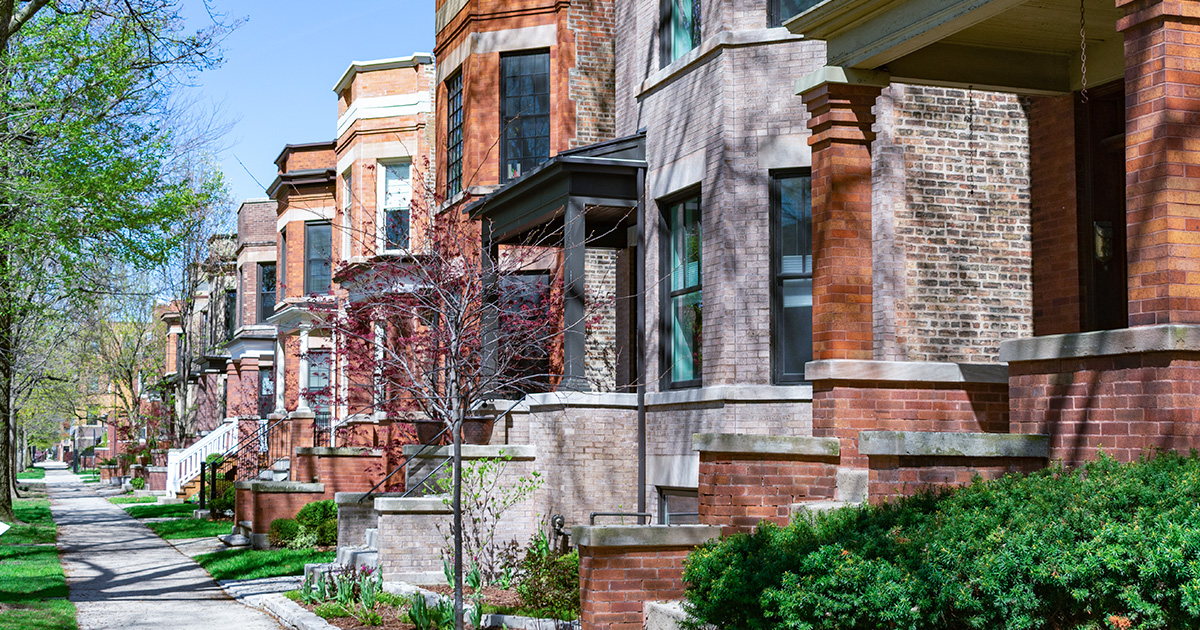
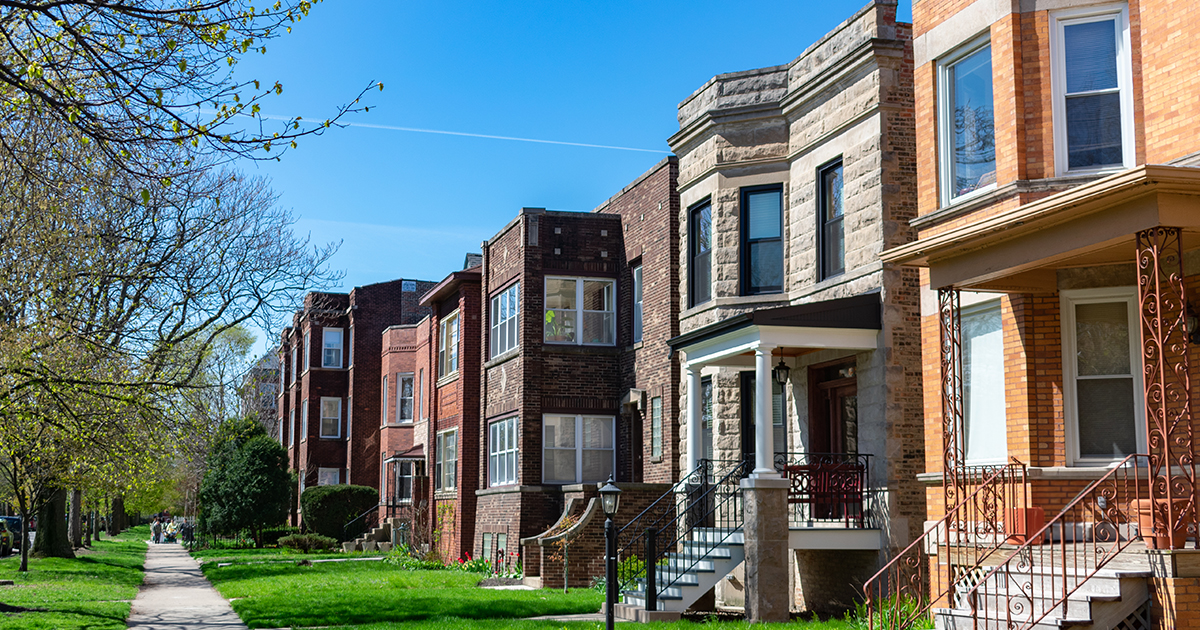
In Chicago's competitive neighborhoods, offers landing $50,000 to $80,000 over asking are not outliers. Buyers who close cleanly in Lincoln Park, Wicker Park, and Bucktown are not the ones who got lucky with a favorable appraiser. They are the ones who had the appraisal gap conversation before the offer went in.
Chicago buyers competing in neighborhoods like Lincoln Park, Wicker Park, and Bucktown routinely face appraisal gaps when rising contract prices outpace recorded comparable sales. The buyers who handle this without panic understand their options before they sign anything.
In neighborhoods like Lincoln Park, Lake View, Wicker Park, and Bucktown, the competitive pressure is not seasonal noise. Somewhere between 70 and 80 percent of Chicago properties are going over list price. The gap between what buyers are paying and what appraisers can document is real.
Appraisers work from closed comparable sales of nearby properties. When prices rise fast, the recorded comps lag behind what buyers are actually winning deals at. That gap is widest in early spring, when pending sales at elevated prices exist, but closed transactions at those numbers do not. By July, enough elevated deals have closed for appraisers to draw on stronger comps.
That is not a reason for buyers to sit out the market. The answer is to prepare for potential appraisal gaps before making an offer.
The CFPB's homebuying resources offer a useful primer on how appraisals fit into the mortgage process. Still, the Chicago-specific dynamics described above require a more targeted approach than any general guide can provide.
The standard sequence goes like this: offer accepted, excitement peaks, appraisal ordered, number comes back short. For buyers who have never heard the term "appraisal gap" before that moment, the reaction is panic. For buyers who already know what it means and what their options are, the reaction is to call their lender to run through the plan.
A buyer who learns about that risk after going under contract has to process new information under time pressure with money on the line. A buyer who learned about it before the offer went in already knows their ceiling, their reserve position, and their negotiation options. The information is identical, but the timing of the conversation shapes the outcome.
If you want to learn more, you can read my post about how pre-underwriting helps keep transactions on track. It walks through how deep upfront review prevents the late-stage surprises that derail competitive deals.
There are three concrete areas that every buyer competing over the asking price should understand before writing an offer:
Buyers who have worked through all three areas before they compete show up differently. They ask sharper questions, make faster decisions, and close more cleanly.
This is one area where the difference between a local lending partner and a remote platform is not subtle.
An online lender operating through automated pipelines lacks the flexibility or Chicago-specific context to walk a buyer through appraisal scenarios in real time. When the number comes back short, the conversation is reactive, and the options feel limited.
A lender with established appraiser relationships and direct knowledge of Chicago neighborhood dynamics can contextualize an appraisal result before it becomes a crisis. When a $695,000 listing goes under contract at $780,000, understanding the comparable sales picture and framing that risk upfront is a preparation advantage.
The pre-offer appraisal framework my team uses is built around one principle. We believe buyers make better decisions when they have real information before they are under pressure.
"We explain appraisal gaps and negotiation strategies, reserve planning if they have to make up that gap with a larger down payment, and our limitations, before the buyer is under pressure. In Chicago bidding wars, preparation matters just as much as enthusiasm."
— Dean Vlamis, Mortgage Professional and CFO, A and N Mortgage
Buyers who understand what could happen and know their options show up to competitive situations with clarity rather than anxiety. And clarity leads to better decisions before the offer, during the inspection, and at the closing table.
An appraisal gap occurs when a property's appraised value falls below the agreed contract price. In Chicago's competitive neighborhoods, buyers frequently offer $50,000 to $80,000 over asking to win multiple-offer situations. Appraisers can only use closed comparable sales to establish value under USPAP standards. When prices rise quickly, the recorded comps may not yet reflect what buyers are actually paying. This lag between market activity and documented data creates a gap that buyers need to account for before going under contract.
Appraisal gap risk is not an edge case in today's Chicago market. Roughly 70 to 80 percent of properties in competitive neighborhoods are going over asking price. That means any buyers should treat appraisal preparation as a standard part of the offer process. Buyers who plan for this before making an offer are in a stronger position than those who learn about it after going under contract.
Appraisal gaps are most common in spring because prices rise faster than comparable sales data can keep up with. By midsummer, enough elevated-price transactions have closed that appraisers have stronger comps available. Buyers entering competitive situations in March or April should treat appraisal preparation as a priority.
Yes. If an appraiser's comparable selection missed relevant closed sales, a buyer or their lender can submit a formal reconsideration of value request. This process works best when a lender has already reviewed the comparable sales picture before the appraisal was ordered. That makes it easier to document the gap between what was used and what was available. Not every low appraisal is worth challenging, but many are, and the window to act is narrow.
Buyers should come prepared with a clear picture of their available reserves beyond the down payment and their maximum comfortable price for the property. A buyer should also consider how much they want this specific home compared to comparable alternatives. The lender's job is to translate those inputs into a concrete plan. It should cover appraisal gap scenarios, reserve requirements, and negotiation options. The more honest the buyer is about their position, the more useful that conversation will be.
A lender familiar with Chicago's micro-market dynamics can identify which comparable sales are relevant and which miss the location, condition, or demand profile. That context matters most in neighborhoods where a single block can produce meaningfully different values. It also helps buyers determine whether a low appraisal reflects a real market signal or a documentation lag requiring a different response.
Appraisal risk should be part of the conversation before a buyer identifies a specific property. A lender who understands Chicago's comparable sales environment can frame appraisal risk early, then refine that conversation once a target home is identified. Starting early gives buyers time to build reserves, adjust their ceiling, or refine their negotiation strategy before contract deadlines apply.
In a market where 70 to 80 percent of properties are going over asking, appraisal gaps should not be a surprise. The buyers who handle them without panic come in prepared. They knew the risks, understood their options, and went into the offer with a plan already in place.
That conversation should start before you write an offer. If you are thinking about competing in Chicago's market this season, connect with my team at A and N Mortgage before your next offer goes in. The best time to have this conversation is before you find the house.
Welcome to a better mortgage experience! In just few minutes you can find out what you qualify for and explore multiple loan options and interest rates.
Complete our short and intuitive pre-approval interview to get started.