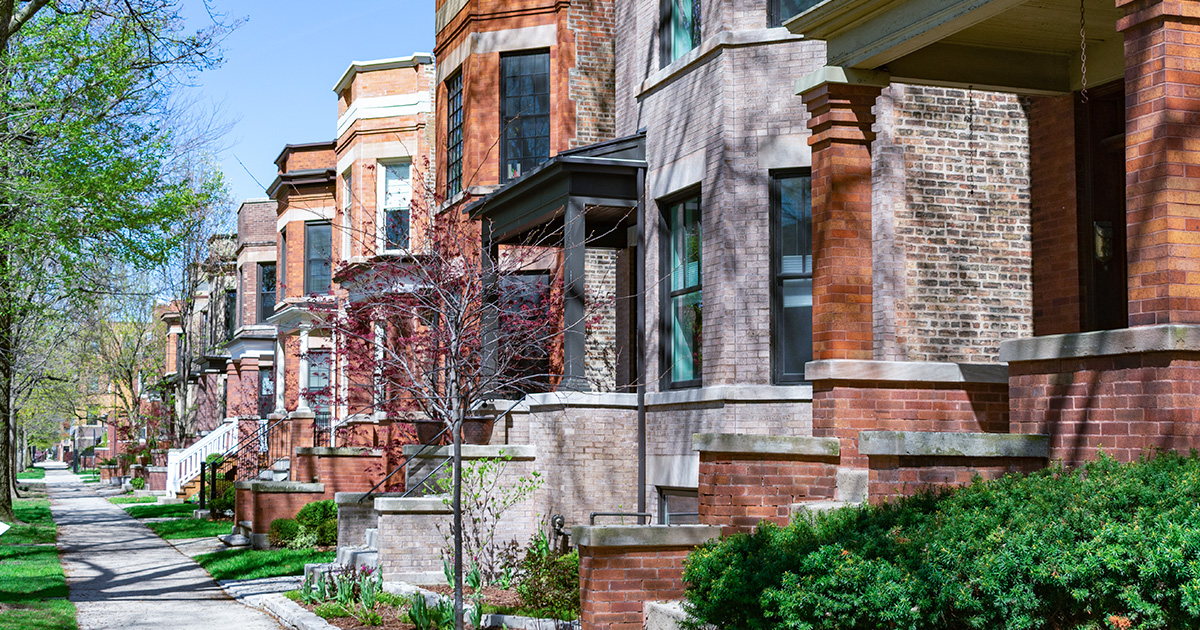
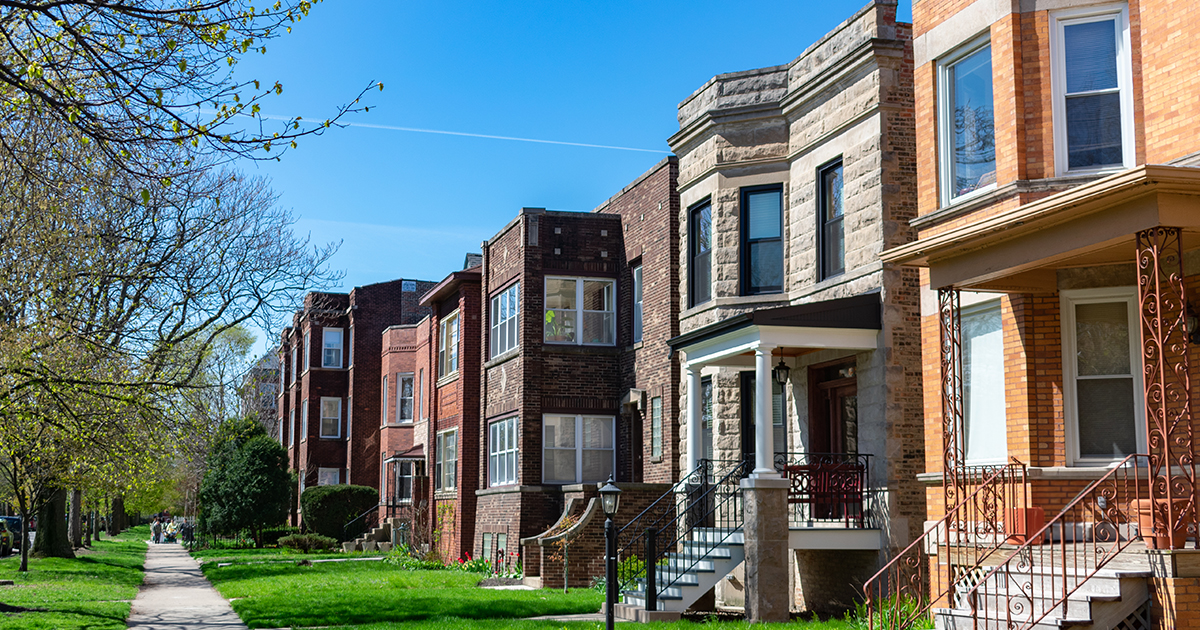
Chicago’s entry-level housing market has crossed a surprising new threshold. Past luxury price ranges are now starting points for first-time buyers in competitive local neighborhoods.
That required entry-level number currently ranges from $550,000 to $750,000. This price range often surprises buyers expecting a lower entry point. Preparation and expert guidance quickly overcome this initial market shock.
Entry-level homes in Chicago now routinely range from $550,000 to $750,000. This price range required jumbo mortgage underwriting just a decade ago. The 2026 conforming loan limit increase to $802,000 opened new conventional financing pathways. Comprehensive preparation still matters more than the purchase price. Buyers who understand the full cost picture before touring homes are more likely to close deals.
Chicago entry-level homes now carry price tags that would have triggered jumbo loan requirements just a decade ago. Back then, a $650,000 purchase meant stricter reserves and additional documentation. That same purchase price today is where searches in many Chicago neighborhoods begin.
The 2026 conforming loan limit increase to $802,000 created a real structural shift in the market. The Federal Housing Finance Agency sets this limit annually. More buyers can now easily access agency-backed conventional financing for these properties. This pathway typically means simpler documentation and a much smoother path to closing.
This lending advantage did not exist for buyers a few short years ago. Most first-time buyers have absolutely no idea that this favorable guideline applies to them.
Initial buyer hesitation at these elevated price points is completely understandable and normal. Our goal is not to dismiss these valid financial concerns. We focus on replacing financial uncertainty with clear, actionable market information.
One behavioral pattern shows up consistently among new home buyers. Buyers expecting to qualify comfortably often pull back when seeing higher prices. This initial price shock occasionally triggers unnecessary financial anxiety.
Pre-approval conversations at A and N Mortgage focus entirely on the full payment picture. Cook County property taxes and homeowners insurance can significantly affect your final numbers. Additional HOA dues can add several hundred dollars to your monthly payment. Buyers who understand these numbers before viewing homes make highly confident purchasing decisions.
Direct, honest guidance is the best thing for a buyer stretching their budget. If qualifying for a $750,000 property is borderline, I explain that to borrowers. I recommend a co-borrower or a different loan structure. Discussing a more comfortable price point is also a very common solution.
This transparency is never intended to talk buyers out of homeownership. I want to ensure buyers make comfortable financial decisions for the long term. For loan officers, a clear pre-underwriting process separates successful buyers from hesitant ones.
A consistent challenge in the Chicago market is the gap between purchase prices and appraised values. Homes listed at $500,000 routinely receive offers near $600,000 in competitive neighborhoods.
Many buyers do not fully understand the appraisal gap language in their contracts. Buyers cover the financial difference if the property appraises below the agreed purchase price. This situation requires bringing more cash to closing to make the deal work. Sometimes, restructuring the down payment provides a viable alternative. Buyers must work through these financial scenarios long before submitting an offer.
I build this conversation into every pre-approval for buyers in competitive neighborhoods. Adjusting the financing without dramatically changing cash-to-close figures is often possible. However, executing these adjustments requires careful advance financial planning.
Borrowers should never encounter bad financial news at a critical moment in a transaction. Discussions regarding potential appraisal gaps must happen at the beginning of the process.
Appraisal gaps significantly affect how lenders determine your final loan-to-value ratio. Understanding this relationship before writing offers provides a solid foundation for negotiation.
Online lenders have spent years training buyers to focus on one number. I work to replace that focus with a broader financial lens.
Many new buyers exclusively want to know their interest rate. Understanding the full financial picture over time is much more useful.
I run side-by-side comparisons accounting for home appreciation and principal reduction. These detailed models also include tax considerations and future buying power. Purchasing a home right away isn’t always the right answer. Understanding the tradeoffs clearly allows you to make confident, fear-free decisions.
I recently reviewed a situation involving $26,000 in upfront discount points. An online lender charged this massive amount for a fractional rate reduction. The true financial break-even point on that structure spanned over a decade. The buyer put only ten percent down on their new property. They didn’t realize they were immediately sacrificing a significant portion of their equity. A total cost analysis reveals this outcome and prevents bad decisions.
“Most buyers ask, ‘What is my rate?’ The better question is: what is the cost of waiting? Once we compare rent, possible home appreciation, principal reduction, tax assumptions, and future buying power, the decision becomes clearer. The answer is not automatically buy now. A total cost analysis helps buyers make decisions with context, not fear.” -Dean Vlamis, CFO and Company Leader, A and N Mortgage.
First-time buyers generally enter competitive Chicago neighborhoods in the $550,000 to $750,000 range. That is a significant shift from market conditions just five years ago. This price point was previously associated with move-up buyers or luxury properties. Understanding this reality early helps buyers establish realistic market expectations.
A property at this price point does not necessarily require one. The 2026 conforming loan limit sits at a generous $802,000. Buyers in the $550,000 to $750,000 range can access conventional agency-backed financing. That typically means simpler documentation and fewer stringent cash reserve requirements. A mortgage professional can confirm your ideal loan type based on your down payment.
An appraisal gap occurs when a home appraises below the agreed purchase price. Buyers with appraisal gap clauses must cover the difference. You are responsible for bridging the gap to the contract price. This scenario arises frequently within the highly competitive Chicago real estate market. Buyers must understand their financial exposure before submitting any formal offers.
Property taxes, insurance, and HOA fees add several hundred dollars to housing costs. Cook County property taxes can be particularly substantial, depending on your neighborhood. Buyers calculating only principal and interest consistently underestimate their true monthly obligations. A thorough pre-approval accounting for full payments prevents unwanted surprises at closing.
Basic rate shopping focuses entirely on one single variable: the interest rate. A total cost analysis examines your complete long-term financial picture. That includes monthly payments, long-term interest, appreciation potential, and important tax considerations. This analysis also accounts for continued rent payments and potentially missed property appreciation. Learn more about hidden loan costs in my post about online loan estimates.
Thorough pre-approval must happen long before your active home search begins. Walking into a showing without pre-approval presents a massive disadvantage for buyers. Well-priced homes move incredibly fast when competitive offers represent the market norm. The pre-approval process clearly surfaces important information regarding down payment flexibility and cash-to-close requirements. These essential financial details should shape your entire search strategy from the start.
Chicago property taxes directly impact the debt-to-income ratio used to qualify borrowers. A high tax bill reduces the final loan amount a buyer qualifies for. This happens even when your household income appears perfectly sufficient on paper. Running a full payment estimate for a specific property is important. Generic online calculators often fail to provide an accurate pre-offer financial picture.
Chicago’s first-time buyer market in 2026 remains highly competitive and demands real preparation. The buyers successfully closing deals are not always the ones with the most money. Successful buyers understand the complete financial numbers long before they need to act.
Are you seeking a lending partner who prepares Chicago buyers before market pressure hits? Connect with me to start the conversation today.
Welcome to a better mortgage experience! In just few minutes you can find out what you qualify for and explore multiple loan options and interest rates.
Complete our short and intuitive pre-approval interview to get started.