Chicago’s ADU ordinance expansion gives homeowners across the city a legal path to add rental units to their properties for the first time. However, the financing strategy behind those units is just as important as the permit path.
Starting April 1, 2026, the ordinance goes citywide and extends beyond the original five pilot zones. It’s opening opportunities for coach houses, basement units, and accessory dwelling units in neighborhoods previously excluded.
For homeowners considering this move, understanding how lenders treat projected ADU rental income before construction begins is essential. It can mean the difference between a denial and a smooth underwriting process.
That is what you need to understand before you call a contractor.
Dean Vlamis | A&N Mortgage Group | Chicago, IL | 100% women-owned mortgage platform | Leadership accessibility, operational speed, collaboration culture | NMLS No. 19291
The citywide expansion matters because the financing path existed before the permits did. Most homeowners simply did not know how to use it.
When homeowners plan these projects, the future rental income does not have to sit on the sidelines during underwriting. According to CFPB guidelines, lenders can factor documented projected income into the qualifying calculation when the construction plan is properly structured.
That shift in qualifying power can be meaningful enough to justify the renovation cost entirely. The borrower does not need to wait until the unit is finished and rented to see the financial benefit reflected in the loan.
Dean Vlamis works with borrowers across Chicago’s bungalow belt neighborhoods, where this conversation comes up constantly. A couple from Portage Park came to him with a question that is becoming more common. They had paid down their bungalow and heard about the ADU ordinance. However, they had no idea whether the rental numbers would actually hold up with a lender.
“We were able to factor in a portion of the projected rental income from that future unit. Suddenly, the renovation made sense to them, and they’re getting income. As this ADU ordinance goes citywide, more homeowners are going to be in that position, sitting on a lot that could produce income but not knowing how lenders will treat it.” – Dean Vlamis, Mortgage Professional and Company Leader, A&N Mortgage Group
Projected rental income on an ADU file follows a specific documentation path. Knowing that path in advance gives borrowers a clear advantage.
There is a meaningful difference between an existing rental unit and a planned one. If a finished, rentable unit already exists, the documentation path is straightforward. The appraiser assesses market rents in the area using a process governed by Uniform Residential Appraisal Report standards. The lender uses a percentage of that figure to offset the mortgage obligation.
If the unit does not yet exist, the bar is higher, but the process is still workable. The lender needs actual plans, a general contractor’s scope of work, and evidence that construction is more than a conversation.
Once those elements are in place, lenders can underwrite the file similarly to a new construction loan. That means projecting the completed unit’s rental value based on the appraiser’s market rent analysis.
Loan program selection directly affects how the rental income component is treated and the cost to carry the renovation.
For borrowers with sufficient equity and qualifying credit, conventional financing aligned with Fannie Mae single-family guidelines is generally a strong option. The mortgage insurance cost structure is more favorable. Conventional guidelines often allow greater flexibility in documenting and applying projected rental income to the loan-to-value ratio (LTV).
FHA financing works well for borrowers in Chicago’s older bungalow neighborhoods. Prices there are more modest, and down payment requirements can make or break an approval.
But FHA has its own cost structure. Loan limits also set a ceiling on what it can support. The right answer depends on the borrower’s financial position. It also depends on what the renovation will yield.
One variable that cuts across both programs is neighborhood feasibility. Lenders and appraisers look at comparable properties. If a planned addition significantly over-improves the surrounding block, the appraised value may not fully reflect the investment. The renovation needs to make sense for the area, not just for the homeowner’s income projections.
Do you want to know more about how an ADU might pencil out on your specific property? Talk to Dean and the A and N Mortgage Services team before you finalize any construction plans.
Two risks appear in ADU files more than any others. Both are preventable.
The first is overbuilding relative to neighborhood comparables. If an appraiser has no comparable units in the surrounding market to support the rental projection, documenting the income can be more difficult.
Chicago’s neighborhoods vary enough block by block that what works in one corridor may not translate two miles away. The renovation needs to be scaled appropriately for the street it sits on.
The second risk is incomplete documentation during construction planning. Saying “we plan to build a unit” is not enough to underwrite projected rental income. The lender needs real numbers from a real contractor, including scope, timeline, and cost estimate.
Both risks disappear when the borrower, the contractor, and the lender are aligned before permits are pulled. The sequence matters.
Not every Chicago neighborhood benefits equally from the ordinance expansion. That said, the bungalow belt neighborhoods represent one of the clearest opportunities.
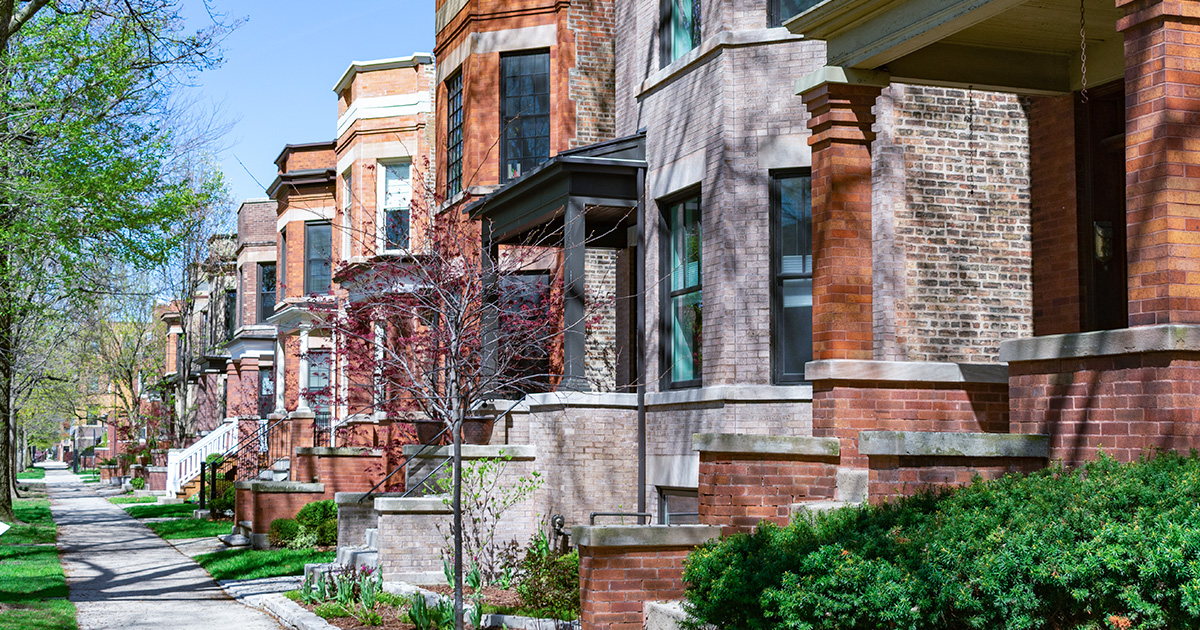
Chicago’s bungalow housing stock was built for density that never fully developed. Wide lots, detached garages, and finished basements are the norm. These are exactly the conditions the ADU ordinance was designed to unlock.
For lenders, that means appraisers are increasingly collecting comparable ADU data in these neighborhoods. As that data pool grows, the income projections become more defensible at underwriting. That dynamic strengthens the case for borrowers who move early and structure the file correctly.
Can I use projected ADU rental income to qualify for a mortgage before the unit is built?
Yes. In many cases, lenders can factor projected rental income into the qualifying calculation, but the file must be properly documented. That typically requires architectural plans, a contractor’s scope of work, and a market rent analysis from the appraiser.
Does Chicago’s ADU ordinance expansion apply to my neighborhood?
Starting April 1, 2026, the ADU ordinance expands citywide, moving beyond the original five pilot zones. Most Chicago homeowners will now have a legal path to add a coach house or basement accessory dwelling unit. Confirming eligibility with the city’s zoning department before committing to a project is a helpful first step.
What types of ADUs are most common in Chicago?
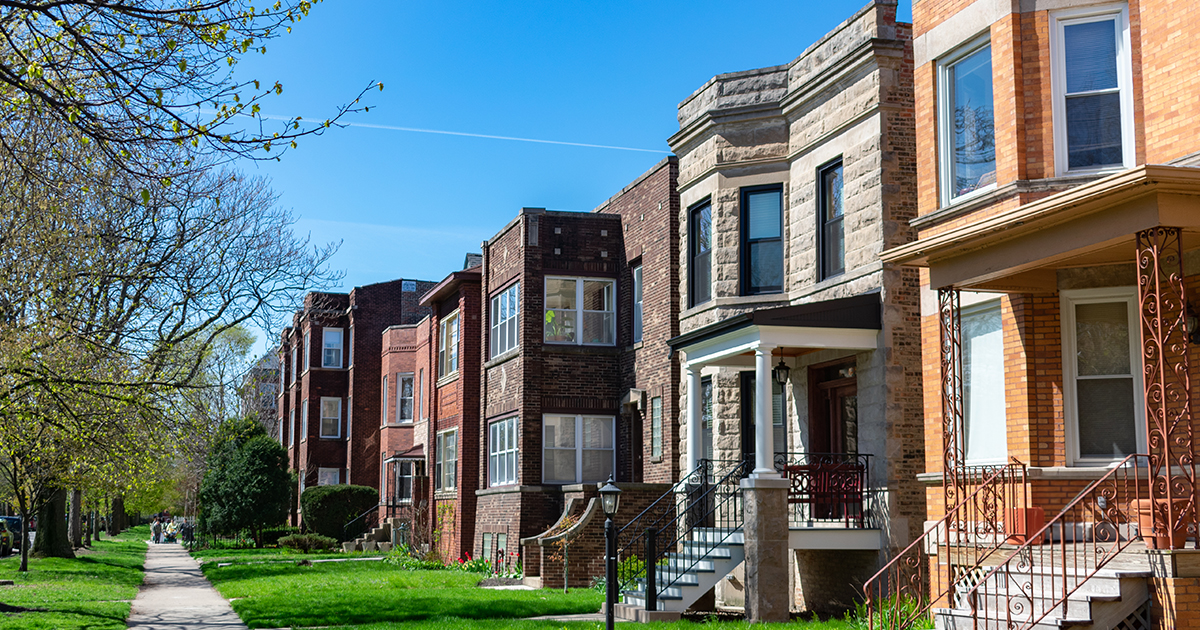
The most common ADUs in Chicago are coach houses built over existing garages and finished basement units. Both are well-suited to the city’s bungalow and two-flat housing stock. They also tend to perform well in appraisals when the renovation is appropriately scaled for the neighborhood.
How do lenders calculate rental income from an ADU that isn’t built yet?
The lender orders a market rent analysis as part of the appraisal. The appraiser identifies comparable rental units in the surrounding area and establishes a supportable monthly rent figure for the planned unit. The lender then applies that figure, at a specific percentage, to the qualifying income calculation.
What is the difference between an ADU file and a standard renovation loan?
An ADU file combines elements of renovation lending and investment property underwriting. The construction component requires contractor documentation and a draw or completion structure. The rental income component requires appraisal support and compliance with investor guidelines.
Will adding an ADU increase my property taxes?
Adding a rentable unit typically increases your property’s assessed value, which can affect your tax bill. The extent of the increase depends on the scope of the improvement and how the Cook County Assessor’s Office values the addition. Consulting with a local tax advisor before finalizing your renovation scope can help you plan.
Is FHA financing available for ADU construction in Chicago?
You can use an FHA loan on ADU projects, but loan limits apply. In the Chicago metro area, those limits may constrain total borrowing capacity, depending on the property’s existing value and renovation costs. For borrowers with stronger equity and credit profiles, conventional financing usually offers greater flexibility and a lower total cost.
The expansion of the ADU ordinance gives Chicago homeowners a clear path to turn unused space into income. The outcome depends on how early you align your financing with your construction plan. When you structure the loan correctly, projected rental income can strengthen your approval and support the investment.
Dean Vlamis and the A and N Mortgage team help Chicago homeowners structure ADU financing with clarity and confidence. We can evaluate your property, your plans, and your projected rental income before construction begins. Reach out now to discuss your ADU strategy and understand how your numbers work before you build.
Dean Vlamis is the founder of A&N Mortgage Group in Chicago. He leads a 100% women-owned Chicago mortgage platform with direct experience structuring complex files including ADU financing, renovation lending, and investment property qualification across Chicago’s diverse neighborhoods.
Welcome to a better mortgage experience! In just few minutes you can find out what you qualify for and explore multiple loan options and interest rates.
Complete our short and intuitive pre-approval interview to get started.