Illinois property taxes surprise Chicago-area home buyers more than any other cost in the transaction. Most buyers arrive at pre-approval with a number in mind, one built from a rate, a purchase price, and whatever a national calculator spits out. What those numbers rarely include is an honest accounting of property taxes.
For buyers in the Chicago area, that gap between calculator and reality can show up as a higher monthly payment in year two. That’s when the escrow adjustment kicks in, and the monthly cost jumps by several hundred dollars. That is not a rate problem. It is a preventable planning problem.
The surprise is structural, not personal. Most buyers focus on rate and purchase price during pre-approval. The tax bill belongs to the property, not the loan, and it is often estimated based on what the current owner paid last year. That number may have little to do with what a new buyer will owe after reassessment.
Illinois reassesses property values on a rolling cycle. When values in a neighborhood rise, the taxes tied to them rise too. A buyer who closes in year one of a reassessment cycle can face an escrow shortage by year two, when the actual bill catches up to the new assessed value.
The payment increases. The lender gets the call. The buyer feels surprised by something that was always likely to happen.
Cook County adds another layer of complexity. Tax burdens vary significantly by municipality, neighborhood, and even property classification.
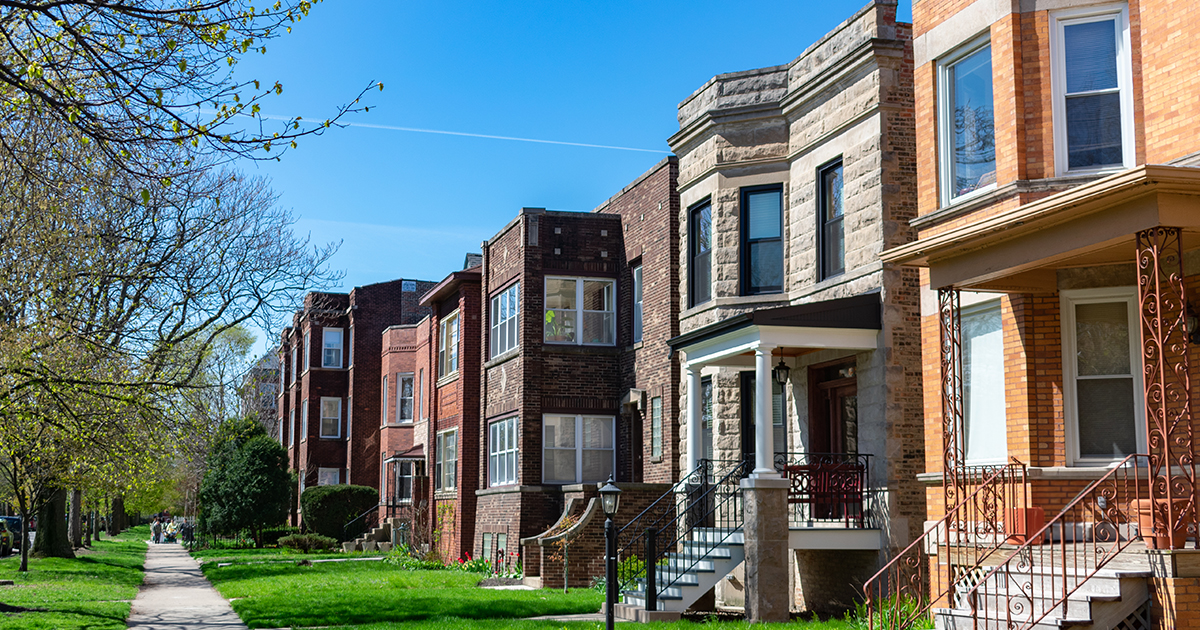
A condo in one zip code can carry a dramatically different tax load than a two-flat five blocks away. An older building in a neighborhood undergoing reassessment can see its bill rise in ways that no national calculator will ever flag.
Cook County operates on a triennial reassessment cycle. That means your township gets reassessed every three years. The timing of your purchase relative to that cycle matters more than most buyers realize.
Dean Vlamis has been originating loans in the Chicago market for over two decades, and he has watched this pattern repeat many times.
“A few springs ago, we got a call from a family down in Tinley Park. Their payment had jumped several hundred dollars because the tax bill caught up with their escrow. They said, ‘If we had known this was coming, we would have bought differently.’ More often than not, we get a call asking why the mortgage payment went up. And it is almost always the property taxes.” – Dean Vlamis, Mortgage Professional and Company Leader, A&N Mortgage Group
A well-run pre-approval does not just confirm that a buyer qualifies. It stress-tests what the payment looks like under realistic conditions, not just ideal ones.
For Chicago buyers, that means running both a likely-case and a worst-case scenario on Illinois property taxes. It means walking through reassessment history, available exemptions, and local levy trends for the specific neighborhood. You need to make sure the buyer understands what can change in their payment and what stays fixed.
The note rate is locked in. The principal and interest payments remain the same. But the escrow can change.
That is the conversation worth having before anyone is under contract. Reach out to Dean and the team at A&N Mortgage Services before you finalize your budget.
I use a straightforward stress test when working with Chicago-area buyers. It’s 2% to 2.5% of the purchase price, applied annually as the projected property tax load. That number enters the qualification conversation from day one.
“I use a standard 2% of the purchase price, up to two and a half percent. When I talk to clients buying in Illinois or in Chicago, I say, ‘You can always contest your taxes; there’s a whole industry out there for that. But know where you’re buying, because they do go up.’ We talk about reassessments, local levies, exemptions, and we run worst-case and likely-case scenarios so buyers are not surprised in year two.” – Dean Vlamis, Mortgage Professional and Company Leader, A&N Mortgage Group
A $400,000 home in the Chicago area can carry a tax bill of $8,000 to $10,000 per year. Buyers who understand the full picture going in can make smarter decisions about where to buy. They also get a clearer picture of the price range that feels truly comfortable and how much cushion they need.
The Illinois Property Tax Code governs how assessments are calculated and what rights property owners have to appeal. That framework matters to buyers because it shapes both their risk and their options after closing.
Illinois property taxes are the biggest blind spot, but they are not the only one. Buyers in Chicago also need to factor in HOA assessments, building reserve contributions, and insurance premiums.
Each of those variables affects what you actually pay every month. None of them show up cleanly in a quick online estimate.
That is not a criticism of technology. It is an argument for pairing it with someone who knows the local market. The goal is not to talk buyers out of a purchase. It is to make sure the number they are buying toward is one they can actually live with, not just qualify for on paper.
The most useful thing a buyer can do is ask their lender to run both a likely-case and a worst-case property tax scenario before finalizing their budget. That means looking at recent comparable tax bills in the target neighborhood and checking which exemptions will be available after purchase. It can also help to understand where the property is in the reassessment cycle.
The General Homestead Exemption reduces the equalized assessed value of a primary residence, which lowers the annual tax bill. New buyers need to apply for it after closing. The Senior Citizen Homestead Exemption provides additional relief for qualifying homeowners, also by application.
None of this requires specialized knowledge on the buyer’s part. It requires a lender willing to have an honest conversation up front.
How much should Chicago-area buyers budget for Illinois property taxes?
A practical planning benchmark is 2% to 2.5% of the purchase price annually. A $400,000 home in the Chicago area might carry a tax bill of $8,000 to $10,000 per year. That figure should be built into the monthly budget from the beginning of the home search, not discovered after closing.
What causes a mortgage payment to increase after closing?
Most payment increases after closing trace back to escrow adjustments, not the loan itself. The principal and interest portion of a payment stays fixed on a fixed-rate loan. The escrow account, which funds property taxes and insurance, gets recalculated periodically. When the tax bill exceeds the original estimate, the lender adjusts the escrow contribution.
How do property tax reassessments affect Chicago buyers?
A reassessment is when the local assessor updates a property’s estimated value for tax purposes. In Cook County, reassessments happen on a triennial cycle by township. The tax bill can increase significantly in the cycle following the purchase. Buyers should ask their lender where the target property sits in the reassessment schedule before finalizing their budget.
Can a buyer contest a property tax assessment in Illinois?
Yes. There is a formal appeals process through the Cook County Assessor’s Office. Many Cook County homeowners successfully reduce their assessments through appeals. Buyers should not rely on a future appeal when budgeting. Plan for the current bill and treat a successful appeal as a potential upside.
Why does my lender estimate taxes differently from what the listing shows?
Listing tax figures reflect what the current owner paid, which may be lower than what a new buyer will owe. Sellers often have homestead exemptions or senior exemptions. They might benefit from an older assessment that no longer reflects market value. A lender should project forward, not simply use the most recent bill.
What is an escrow shortage, and what happens when one occurs?
An escrow shortage occurs when the funds held in escrow are insufficient to cover tax and insurance bills when they come due. Lenders typically conduct an annual escrow analysis. If a shortage exists, they offer the borrower the option to pay the deficit in a lump sum or spread the catch-up amount across the next 12 months.
Chicago-area buyers need to consider what their monthly payment could look like after a few years, not just at closing. That conversation should happen before you are under contract, not after.
Dean Vlamis and the team at A and N Mortgage Services run these scenarios with every borrower. Reach out before you make your next offer. We’ll help you understand realistic scenarios for your budget.
Welcome to a better mortgage experience! In just few minutes you can find out what you qualify for and explore multiple loan options and interest rates.
Complete our short and intuitive pre-approval interview to get started.