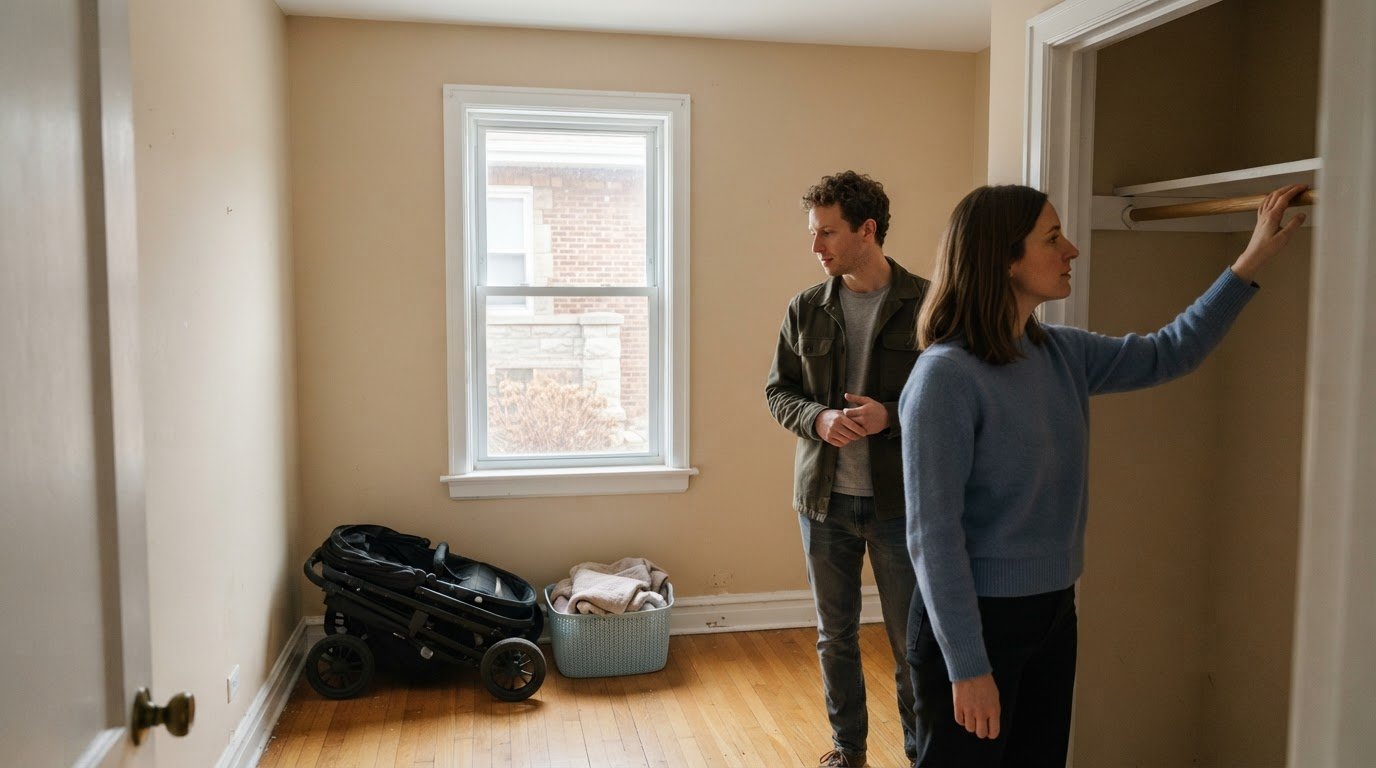
A home can look right during a tour and still feel wrong once daily life begins. Common home buying regrets to avoid include choosing a neighborhood without considering the commute, overlooking privacy or yard size, skipping mortgage pre-approval, and buying a home without enough living space. Pay particular attention to size: rooms that seem adequate during a brief visit may feel limiting as routines, belongings, or household needs change.
It’s understandable to focus on a property’s appealing features, especially when you’re eager to find a place of your own. A confident decision also accounts for how the home and its surroundings will work in everyday life. This article covers common regrets about neighborhoods, commutes, privacy, yards, financing preparation, and living space, with practical ways to assess each before making an offer.
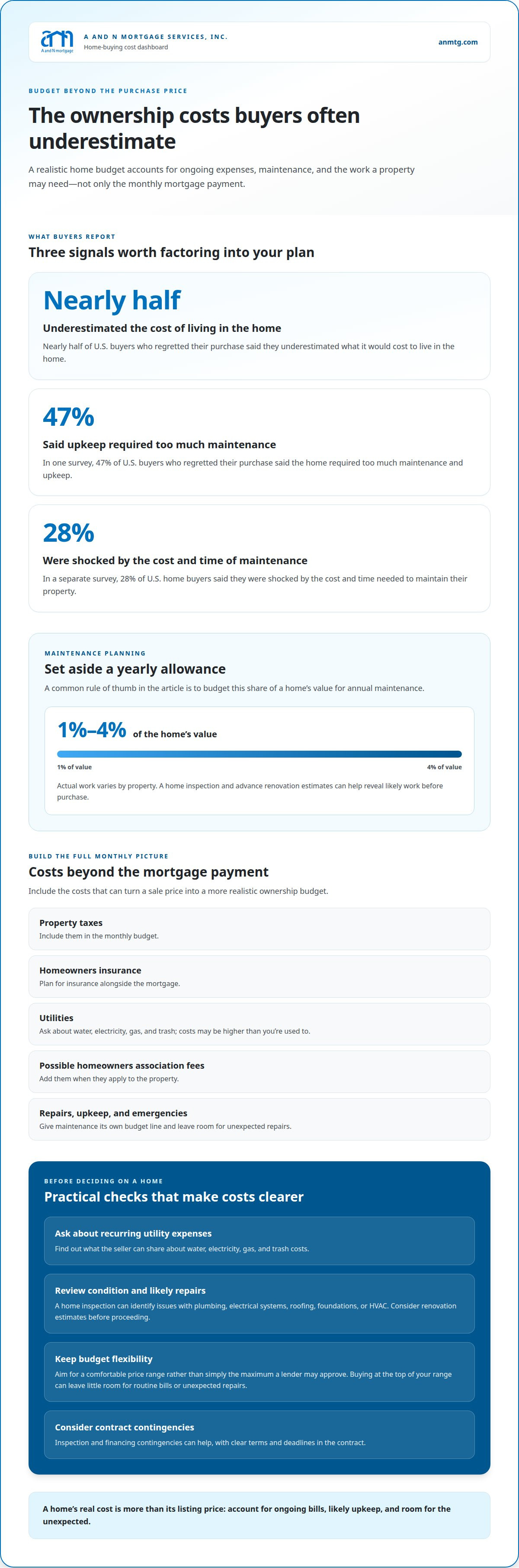
Buyers often regret focusing on the listing price instead of the full cost of homeownership. In buyer surveys, underestimating the cost of living in the home is one of the most common regrets. The monthly mortgage payment is only part of the budget. Property taxes, homeowners insurance, utilities, possible homeowners association fees, and repairs can add to regular expenses. For example, a home with a spacious kitchen may seem affordable until you account for its utility bills and maintenance needs.
Before touring homes, separate must-haves from nice-to-haves. Write down priorities such as location, bedroom count, and outdoor space, then set a budget that includes ownership costs and room for emergencies. This makes trade-offs clearer: a smaller kitchen may be acceptable, while a longer commute may not be. Aim for a comfortable price range, not simply the maximum amount a lender may approve.
Buying at the top of that range can leave little flexibility for routine bills or unexpected repairs. Include property taxes, insurance, utilities, and any applicable HOA fees in your monthly budget. Utility costs at a new home may be higher than you’re used to, so ask the seller about water, electricity, gas, and trash expenses. These figures, along with regular maintenance needs, help turn the sale price into a more realistic ownership budget.
Maintenance deserves its own line in the plan. A common rule of thumb is to budget 1% to 4% of a home’s value for annual maintenance. That allowance can help prepare buyers for upkeep and repairs, though the work varies by property. Too much maintenance and upkeep also ranks among the most common regrets in buyer surveys. A home inspection and advance renovation estimates can help reveal likely work before the purchase.
Small budget decisions can also prevent larger frustrations. Compare a home’s visible appeal with its condition, likely upkeep, and practical fit. A buyer choosing between a move-in-ready property and one needing kitchen repairs should account for both the purchase budget and the work ahead. Many buyers say they were surprised by how much time and money upkeep takes. Planning for both helps make priorities more realistic.
What contingencies should a buyer include in a home purchase contract? Consider inspection and financing contingencies, with clear terms and deadlines in the contract. An inspection can uncover issues with plumbing, electrical systems, roofing, foundations, or HVAC, helping you assess repairs before proceeding.
A beautiful home can still disappoint if its location clashes with your everyday routine. In Chicago, a buyer who loves a quiet street may later find that getting to work, school, or groceries takes more effort than expected. A seller’s description can introduce the area, but it can’t show how traffic, noise, or nearby activity feels throughout the day. Visit the block at different times before deciding.
Test the commute you’ll actually make instead of relying on a quick map estimate. Use Google Maps to compare routes to work, schools, shops, and other regular destinations, then drive or travel them during rush hour. A short weekend trip, for example, may take longer on a weekday. Consider transit options if you rely on them, and note whether the route remains practical in bad weather.
Look beyond the property line. Walk nearby streets to see whether sidewalks, parks, shops, and everyday services suit your routine. If you expect to walk to a grocery store, try the route on foot, including its crossings and sidewalk condition. If schools matter to your household, assess their location and the trip there. In Chicago, compare the immediate blocks with the wider neighborhood, since nearby amenities can differ from one street to another.
Ask focused questions about the area and property. Ask the seller about recurring noise, drainage problems, nearby construction, or changes that could affect the street. During your visits, look for signs such as heavy traffic, standing water, or a nearby building project. Research local development plans and public information that could affect access, noise, or the character of the area. A pleasant first impression is useful, but it shouldn’t replace these practical checks.
How can buyers assess flood, wildfire, storm, and other local property risks? Review available hazard maps and local property records, and ask the seller about past flooding, storm damage, or related repairs. For a Chicago property, pay particular attention to drainage and water intrusion, then consider how local risks could affect maintenance and insurance decisions.
Neighborhood research can also make the excitement of finding a home easier to evaluate. Keep notes after each visit: record the route, nearby services, noise, and anything that surprised you. Compare those observations against the priorities you established, rather than letting a polished interior outweigh daily convenience. When location and financing need to work together, figure out how much house you can comfortably afford as part of planning a purchase that fits your routine and budget.
A home’s interior is only part of the decision. Nearby buildings, shared spaces, and outdoor areas also shape daily comfort. During a viewing, look through bedroom and living-room windows to see what neighbors can see. A bedroom facing a shared walkway, for example, may need curtains or another privacy solution. Check sightlines from inside and outside, including views from neighboring windows and entrances.
Assess the yard by imagining how you’ll use it. Stand where you might sit, garden, play, or let a pet outside, then consider whether the usable space suits those routines. A narrow patio may work for morning coffee but leave little room for guests. Notice how fences, neighboring windows, and shared paths affect privacy in the places you’d spend time. These details help you evaluate the space beyond its appearance in listing photos.
If possible, visit outdoor areas at different times. A quiet yard during a showing may feel different when neighbors are outside or nearby activity increases. Look at lighting, landscaping, and features that might change with the seasons. A leafy tree, for instance, can screen a window in summer but provide less privacy after its leaves fall. Ask about shared areas and property boundaries so your plans reflect how the space is used.
Picture your household’s needs over the next three to five years. A spare bedroom might become a nursery, home office, or guest room, while a yard may need to accommodate new hobbies or pets. If you expect your routines to change, consider whether the rooms and outdoor areas can adapt without major alterations. A space that works today may feel limiting if it can’t support how you expect to live later.
How long you plan to stay also affects which trade-offs make sense. Homeownership is often a better investment when buyers are willing to stay in the home for at least five years. If you expect to move sooner, consider whether the property suits your current needs without extensive changes. For a longer stay, think carefully about privacy, yard use, and whether bedrooms can adapt as household routines evolve.
Many buyers say being close to shopping matters to them, but your own priorities matter most. Identify the surroundings that matter to you, then compare them with each home’s actual setting. Privacy, outdoor usability, and future flexibility can be easy to overlook when a property’s interior makes a strong first impression, so weigh them carefully before you commit.
Getting mortgage pre-approval before touring or browsing listings gives you a clearer starting point. It helps define a realistic search range and shows sellers that you’ve considered financing. Pre-approval isn’t a reason to spend up to the maximum amount shown. Compare that figure with your planned monthly expenses and the home’s location, condition, and likely upkeep. For example, you might choose a lower-priced property to leave room for repairs or changing household needs.
What mortgage terms and loan types should buyers compare before choosing? Compare interest rate structure, repayment term, down payment requirements, and fees across the options available to you. Consider how the estimated payment fits your budget over time, rather than choosing solely by the lowest initial payment.
Before making an offer, understand the conditions that can protect your decision. Consider inspection and financing contingencies, with their terms and deadlines written into the purchase contract. These provisions address different risks: an inspection may reveal costly property issues, while a financing contingency relates to obtaining the mortgage. Contract language matters, so review the actual wording before signing.
What should buyers research about zoning, permits, title, and easements? Review local zoning information for restrictions that may affect how you use or alter the property, and look for permit records related to past renovations. A title review can reveal ownership claims or recorded easements, which may grant others access to part of the property. These details can affect plans for additions, fences, or shared driveways.
After making an offer, arrange a home inspection with a qualified inspector who can examine major systems and visible conditions. Plumbing, electrical systems, roofing, foundations, and heating or cooling equipment may have issues that aren’t obvious during a showing. Ask for the written findings, then distinguish urgent concerns from routine maintenance. If the report identifies a problem, use it to assess repair needs before moving toward closing.
In the United States, buyers commonly call this process a home inspection; in other markets, a building survey can describe a broader property-condition assessment. A boundary survey is different: it helps establish property lines and may clarify where easements or fences sit. Match the assessment to the question you need answered. For example, concerns about a planned fence call for attention to boundaries, while concerns about a roof call for a condition inspection.
What steps can buyers take to avoid regret before closing on a home? Revisit the contract, inspection findings, financing terms, title information, and repair decisions before closing. Keep a written list of unresolved questions and confirm that agreed changes appear in the final documents. A deliberate review can catch mismatches between the offer, the property’s condition, and your plans.
A home can feel spacious during a short showing, then cramped once daily routines begin. In buyer surveys, a home that doesn’t meet all of a household’s needs is a frequent source of regret. The issue may be more than bedroom count. A household might need a quiet work area, storage for equipment, or room for guests. Before choosing among listings, picture where those activities would happen on an ordinary weekday.
Test the layout against specific routines. Imagine two people preparing meals in the kitchen while another passes through to reach the living room. If that route cuts through the cooking area, the floor plan may feel tight even when the rooms look attractive. Consider where coats, cleaning supplies, sports equipment, and everyday deliveries would go. A missing closet can affect comfort as much as a small bedroom.
Use the floor plan, not just listing photos, to judge how rooms connect. Mark where a desk, bed, dining table, and storage furniture would fit, then check whether doors and walkways remain usable. A bedroom, for example, may hold a bed but leave little room for a dresser or a child’s play area. During a viewing, check whether the space accommodates your actual furniture and routines.
Consider how the home could handle changes, without assuming every room can serve every purpose. A dining area might double as a workspace, but that arrangement may not suit someone who needs quiet for calls. A guest room used for storage may need clearing before visitors arrive. Weigh these compromises against your lifestyle and commute: working from home more often can make a separate work zone more valuable.
Look for ways to improve usable space, but assess the work before relying on it. An attic might seem suitable for an extra bedroom, yet access, layout, and construction details affect whether conversion is practical. A contractor or structural engineer can assess whether an attic is suitable for conversion into a bedroom and estimate potential costs, and local permits may be required. Treat that assessment as a separate consideration rather than counting an unfinished attic as ready-to-use living space.
Compare each listing against a short space checklist: where people sleep, work, store belongings, and gather. Then identify which shortage would disrupt daily life most. A smaller home may still fit if its rooms are flexible and storage works; a larger home may disappoint if its layout wastes usable space. Match the actual floor plan to your routines rather than buying based on room count or polished photographs alone.
Explore home financing options
A and N Mortgage Services, Inc. can help connect your home priorities with a suitable financing path. Once you’ve considered a property’s location, condition, and space, mortgage guidance can clarify how financing fits your purchase plans. Available options include Conventional, Jumbo, FHA, and VA loans, depending on the home and your borrowing needs.
Consider discussing financing before making an offer, especially if you’re weighing different price ranges or property types. Understanding available loan options can help you evaluate homes more clearly and stay focused on the property and lifestyle you’re choosing.
Contact A and N Mortgage Services, Inc. to discuss your home financing needs.
Choosing a home is also a decision about the routines and priorities you want it to support. To avoid common home-buying regrets, assess whether the property fits your plans, not just whether it appeals to you today. A clear financing conversation can help connect those priorities with a path toward purchasing.
A and N Mortgage Services, Inc. offers Conventional, Jumbo, FHA, and VA Loans. Discussing your needs can help clarify which financing options may suit your home-buying plans, while keeping sight of the home and lifestyle you’re choosing.
Contact A and N Mortgage Services, Inc.
Take the next step at your own pace. A thoughtful plan can help you move forward with greater confidence.
Buyers often regret choosing a home that doesn’t fit daily life, even if it looked appealing during a showing. Common home buying regrets to avoid include underestimating upkeep, overlooking limited storage, and discovering that a room can’t serve its intended purpose. Before deciding, picture an ordinary week in the property: where everyone works, rests, stores belongings, and spends time together. That practical test can reveal concerns a staged listing may hide.
First-time buyers may regret moving too quickly, stretching their budget, or overlooking how a property will work after move-in. Before touring, write down a short list of non-negotiables, such as a workable bedroom arrangement or space for remote work. Then compare each property against the same criteria. This makes trade-offs visible and helps separate a rush of excitement from the features that matter in everyday life.
There isn’t one closing-cost figure that suits every purchase, so build a property-specific estimate rather than relying on a generic amount. Account for transaction charges, any repairs identified during inspection, and a separate maintenance reserve. A common annual maintenance guideline is 1% to 4% of the home’s value. Treat that as a planning benchmark, not a repair quote, and adjust your cash plan for the home’s condition and upcoming work.
Build a monthly worksheet that combines the mortgage payment with property taxes, homeowners insurance, utilities, any HOA dues, and a maintenance allowance. For example, convert annual bills into monthly amounts before comparing Chicago homes. Keep irregular repairs visible rather than assuming they’ll fit comfortably into leftover cash. This gives you a fuller picture of affordability and makes it easier to compare a home with a lower payment to one with higher recurring expenses.
Set a maximum comfortable offer before negotiations begin, then compare the home’s condition and features with similar nearby listings. Decide in advance which terms matter most and what would make you walk away. If a deadline creates pressure, pause to review the purchase price, financing, inspection findings, and contract contingencies together. A written decision checklist can help keep excitement from overriding your limits when a seller requests a quick response.
A home inspection should assess visible conditions and major systems, including the roof, foundation, plumbing, electrical components, and heating or cooling equipment. Pay close attention to findings that may require extensive work, such as water intrusion, structural concerns, or failing major systems. Ask the inspector which issues need prompt attention and which can be monitored. Use the written report to understand repair priorities before finalizing purchase decisions.
Visit the area at different times, including during a weekday commute and in the evening, to notice changing traffic and noise. Test your regular route, walk to nearby amenities, and consider the location of schools and parks. Check public information about planned development that could change access or nearby activity. In Chicago, compare the immediate block with the wider neighborhood, since everyday conveniences can differ from one appealing street to another nearby.
These expenses reduce the monthly income available for other needs, even when they aren’t included in a quoted mortgage payment. Add each recurring charge to your home budget and consider whether it could change over time. HOA fees may cover shared services or upkeep, so understand what the dues apply to. For tax consequences of a purchase, consult your personal tax advisor; seek personal legal advice for legal matters.
Welcome to a better mortgage experience! In just few minutes you can find out what you qualify for and explore multiple loan options and interest rates.
Complete our short and intuitive pre-approval interview to get started.